
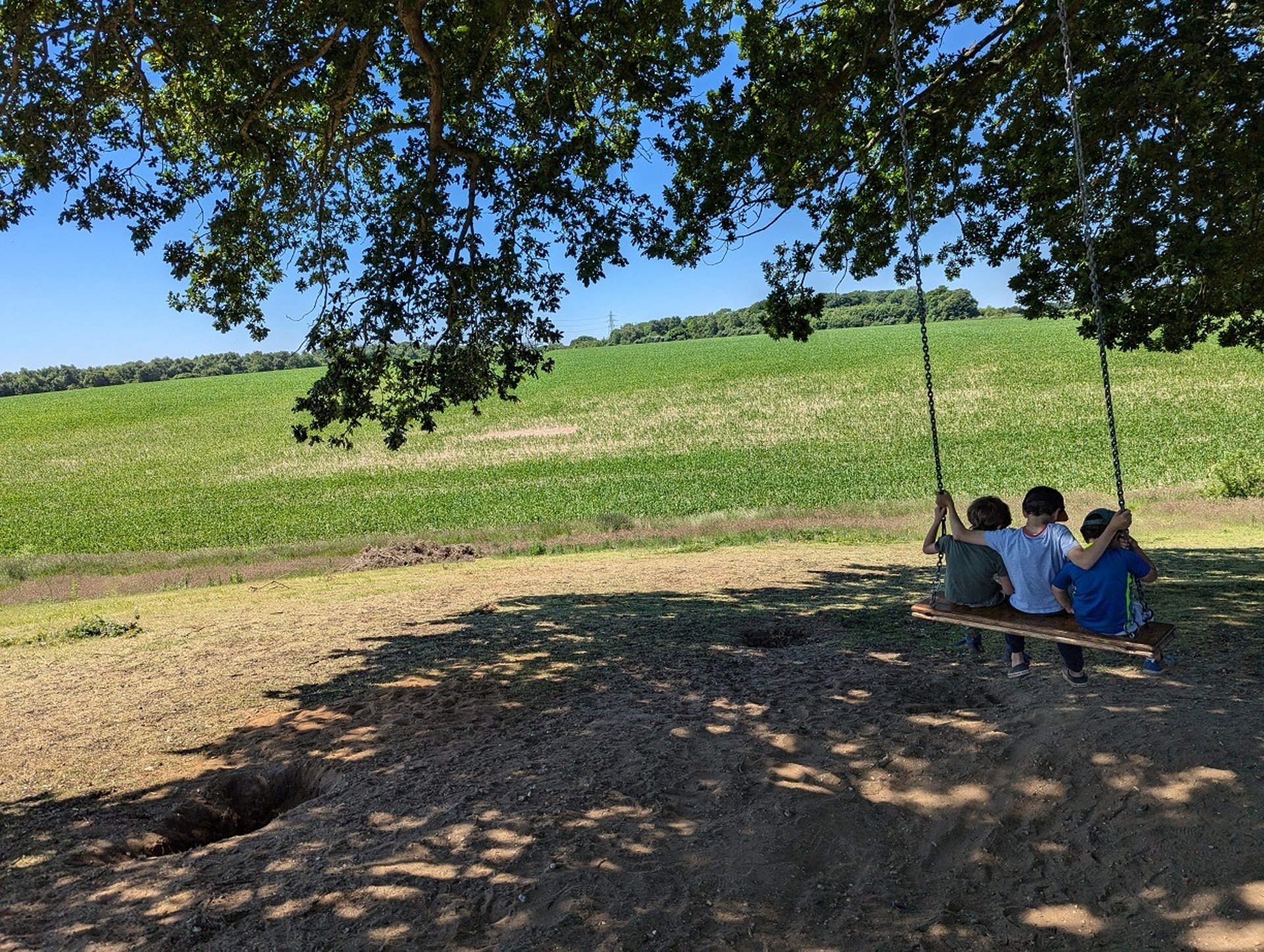
Development in Costessey & Bowthorpe
Welcome to our community website dedicated to protecting the green spaces and heritage of Costessey & Bowthorpe.
Join us in protecting our community from unsuitable and unsustainable development.


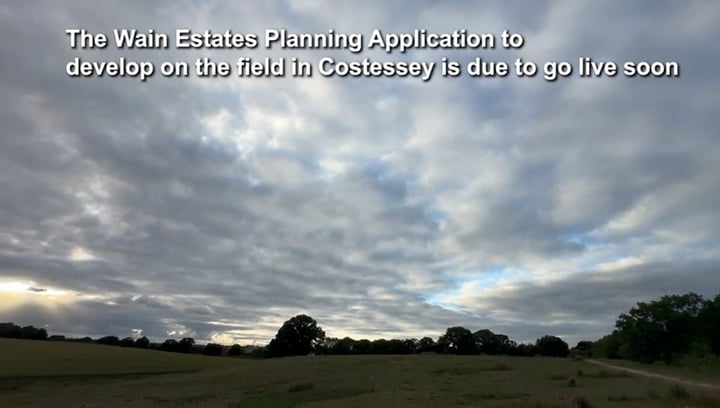
About the site in Costessey & Bowthorpe
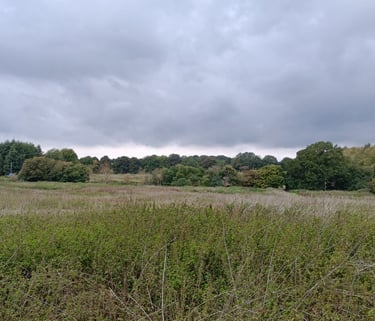
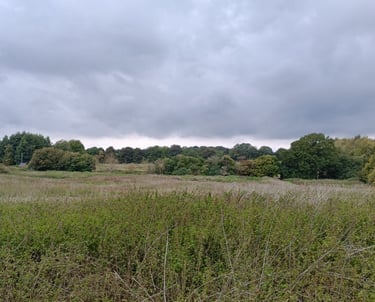
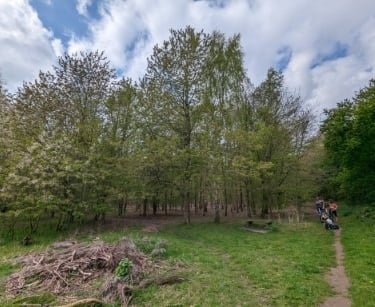
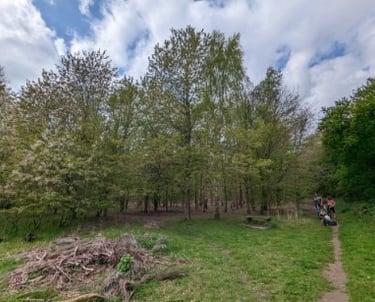
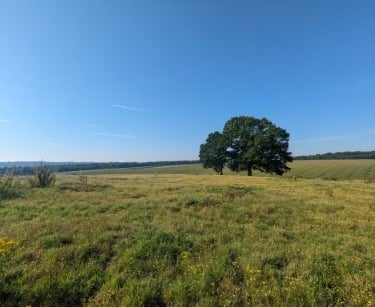
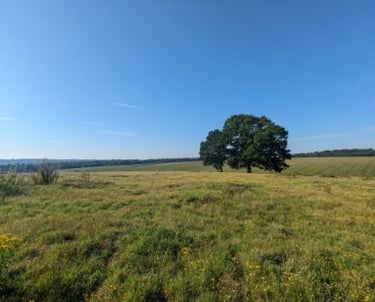
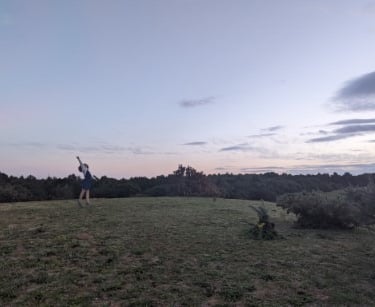
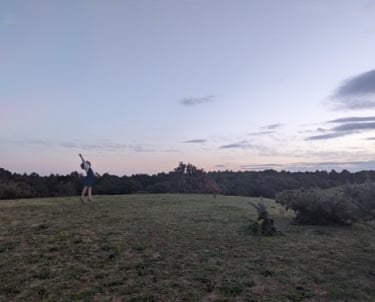
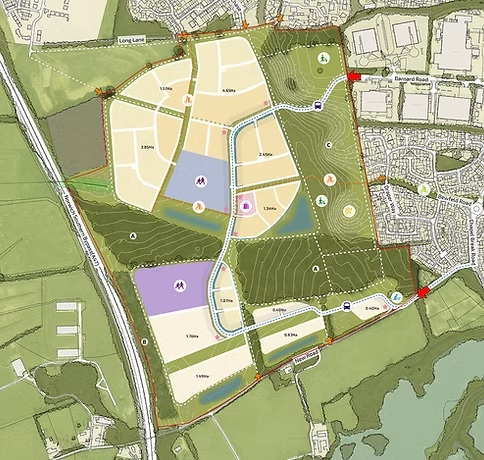
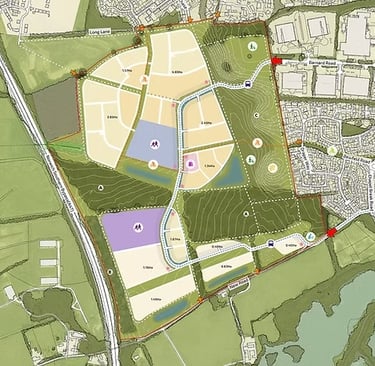
The proposed development site is the land south of the Hampdens estate in Costessey, west of the Chapel Break estate in Bowthorpe and north of the New Road.
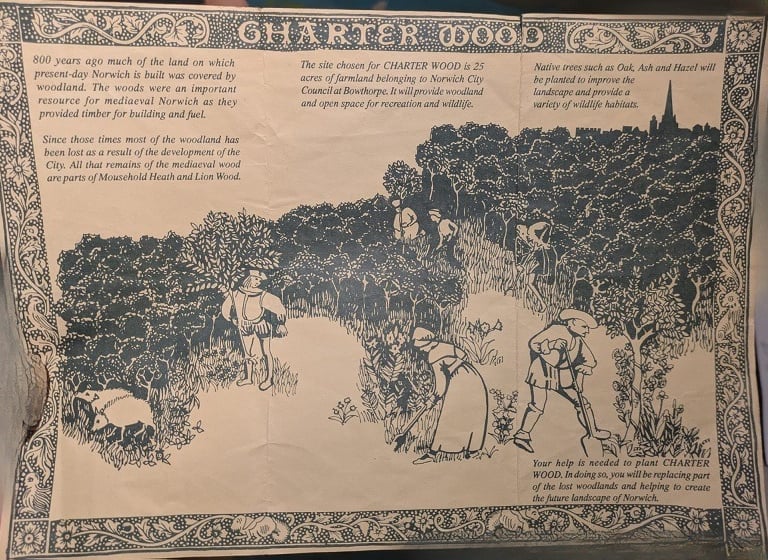
It is a greenfield area currently used for agriculture but is rich in biodiversity and history. It includes Charter Wood, planted in 1995 by volunteers as part of Norwich City Council's celebration of the city's 800th anniversary under the Royal Charter granted by Richard I in 1194. Twenty thousand trees were planted to recreate lost medieval woodlands, providing habitat for wildlife and open space for recreation.
The site has three owners, which own different parts of it.
Springmount Investments (Jersey) Ltd own the largest share (~99 acres), to the north of Charter Wood and also the western extension of Charter Wood.
A group of private individuals own the fields in the south-west corner of the site (~30 acres).
Norwich City Council own the remaining part of the site, including the main part of Charter Wood and fields in the south-east (~25 acres).
The Proposed Development
Wain Estates, through their agents Bidwells, has proposed developing up to 800 homes on the site. For context, the Hampdens estate in Costessey is far smaller (~500 homes) and Chapel Break in Bowthorpe has a similar number of homes to the proposal (~800).
The proposal, submitted for an Environmental Impact Assessment (EIA) scoping opinion on 25 July 2025 (reference 2025/2331), envisions residential units, potential schools, roads, and open spaces. South Norfolk Council issued the opinion on 11 September 2025, highlighting concerns from consultees like Natural England and the Environment Agency.
View details on the South Norfolk planning portal.
Wain Estates carried out a pre-application consultation with some of the affected local residents. More details can be found on Wain Estates' consultation website.
The Planning Process
Understanding the planning process is essential for submitting effective objections to the application proposed by Wain Estates.
Most planning applications are determined by the assigned planning officer under delegated authority. However, in cases involving contentious or large-scale developments, such as this proposal for up to 800 homes, the decision can be escalated for further scrutiny by the council's planning committee, comprising elected councillors.
While the ultimate decision rests with the councillors on the planning committee, their authority is constrained by stringent planning policies established at local, county and national levels. Decisions must adhere to these policies and cannot be based solely on personal or community preferences. In other words, a planning application is not subject to a popular vote!
For instance, an application could face unanimous opposition from residents, yet still receive approval if it complies fully with all relevant policies.
As residents, our primary responsibility is to monitor the involved councils—South Norfolk District Council, Costessey Town Council, Norwich City Council, and Bawburgh Parish Council—to ensure a thorough evaluation of the application. Councils may overlook potential policy breaches unless they are explicitly raised during consultations by residents or other stakeholders. It is therefore crucial to identify and emphasise every conceivable policy violation in formal consultation submissions.
Responses from local councils (Costessey Town Council, Norwich City Council and Bawburgh Parish Council) carry greater weight than individual objections. Residents should engage and lobby these bodies, highlighting policy concerns, to encourage formal opposition rather than approval.
Policy-based Reasons to Oppose
These reasons below, are grounded in relevant planning policies from the Greater Norwich Local Plan (GNLP), South Norfolk Local Plan, and national frameworks such as the National Planning Policy Framework (NPPF) and Environment Act 2021.
Your objections should reference specific policies, like the ones below, when submitted.
Environmental and Biodiversity
Loss of high-value habitats (woodland blocks, acid and neutral grassland, scrub, hedgerows, veteran trees) contravenes GNLP Policy 3 (Environmental Protection and Enhancement), which requires protection of biodiversity and delivery of at least 10% Biodiversity Net Gain (BNG). Irreplaceable features like veteran oaks cannot be compensated, as per Natural England's guidance and the Environment Act 2021.
Impacts on protected species (e.g., red-listed birds like cuckoo and skylark, bats, badgers, reptiles) violate legal protections under the Wildlife and Countryside Act 1981 and GNLP Policy 3, which mandates avoidance of harm to species of conservation concern.
Risks to designated sites (River Wensum SAC/SSSI and Sweetbriar Road Meadows SSSI) from nutrient run-off, pollution, and disturbance require a Habitats Regulations Assessment (HRA); deferral of this breaches the Conservation of Habitats and Species Regulations 2017 and NPPF Chapter 15 (Conserving the natural environment).
Transport Infrastructure
Inadequate access via Barnard Road and New Road (narrow underpass) fails to promote sustainable transport, conflicting with GNLP Policy 2 (Sustainable Communities) and NPPF Chapter 9 (Promoting sustainable transport), which require developments to prioritise active travel, public transport, and mitigate traffic impacts.
Increased traffic from 800 homes without sufficient assessments contravenes GNLP Policy 4 (Strategic Infrastructure), which demands integrated transport solutions to support growth without overwhelming existing networks.
Health Infrastructure
Lack of additional medical provision in an already overstretched area breaches GNLP Policy 4, which requires new developments to contribute to health infrastructure to meet needs arising from growth, aligning with NPPF para 20 on strategic policies for community facilities.
Education Infrastructure
Absence of confirmed primary school provision, despite potential need, violates GNLP Policy 4 and Policy 2, which mandate education infrastructure delivery for large developments to ensure sustainable communities.
Other Infrastructure
The development's insufficient sewage capacity contravenes Anglian Water's requirements under the Water Industry Act 1991, while the inadequate carbon neutrality measures conflict with GNLP Policy 2, which mandates low-carbon development.
Inadequate parking and open space management contravene South Norfolk Development Management Policies (e.g., DM3.8 on design and amenity), which require sufficient amenities to avoid adverse impacts.
Flooding and Drainage
Potential exacerbation of flooding south of New Road, with surface water risks, breaches GNLP Policy 2 and NPPF Chapter 14 (Meeting the challenge of climate change, flooding), which require sustainable drainage systems (SuDS) and no increased flood risk elsewhere.
Landscape and Amenity Well-being Loss
Urbanisation of greenfield land in the Norwich Southern Bypass Landscape Protection Zone harms visual amenity and public access, conflicting with GNLP Policy 3 and NPPF Chapter 12 (Achieving well-designed places), which protect landscape character.
Noise, vibration, and air quality impacts from construction and proximity to A47 exceed limits under NPPF para 185 (noise) and para 186 (air quality), potentially degrading resident well-being.
Threat to Charter Wood and veteran trees under provisional TPO SN0758 violates the Town and Country Planning (Tree Preservation) Regulations 2012 and South Norfolk's Protected Trees Guidance.
Previous application rejections
Some of you may feel a certain sense of inevitability of developers paving over ever more of Norfolk's green spaces.
However it is worth noting that Wain Estates have had a significant number of their applications rejected by local authorities, in recent years. So it is absolutely possible to get this stopped if we all work together.
Here are some recent examples with characteristics similar to our site.
Join Us
Stay updated on Wain Estates application news
FAQs
How can I object?
See our Objection Templates page. You can use our templates as a guide for writing objections.
See our Action page for details on who to contact.
Who should I contact?
Where to find updates?
Check our latest news and Facebook links for ongoing developments. You can subscribe for news updates via email.
Contact
Get in touch to share your thoughts.
© 2025. All rights reserved.